






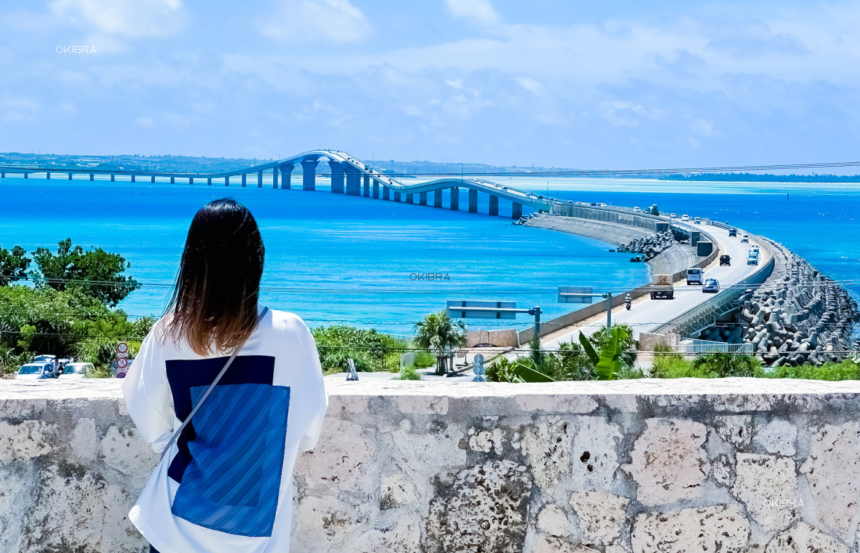
宮古島は、その透明度の高い海や豊かな自然、美しいビーチで知られ、一年を通じて観光客に人気のあるリゾート地です。しかし、宮古島を訪れるのに最適な時期は何月でしょうか。宮古島を訪れるベストシーズンをランキング形式で紹介します。
天気出現率で見る宮古島の晴れ率ランキング

宮古島旅行は何月が良いのかということですが、ここでは天気出現率を最重要視してお話しします。なぜならば、InstagramのDMで問い合わせが来るときも「キレイな海をみるなら何月?」という方が多いです。キレイな海を見るならプランクトンの少ない冬(12〜2月)ですが、掘り下げて聞くと、結局「晴れた日に旅行がしたい」というのが一番知りたいことでした。過去におきぶらのInstagramでフォロワー様に「沖縄に行く理由は?」というアンケートをとった時も、「キレイな海を見たいから」という回答が約90%になりました。
キレイな海を見るためには、晴れなければいけません。であれば、晴れる日はいつなのか。ここが重要です。
Japan Meteorological Agency “Weather Occurrence Rates”
What we always refer to here is the “weather occurrence rate” published by the Japan Meteorological Agency. For Okinawa Prefecture, data observed from 1991 to 2020 at four locations—Naha, Minamidaito Island, Miyako Island, and Ishigaki Island—has been made public. The data classifies weather conditions for each day—rain, cloudy, or sunny—and quantifies them numerically.
Weather Determination Criteria and Priority Order
| Weather | Evaluation Criteria | Priorities |
| 雨 | When daily precipitation of 1.0 millimeters or more is recorded | 1 |
| Cloudy | When daily precipitation is less than 1.0 millimeters and the average daily cloud cover is 8.5 or higher | 2 |
| Sunny | When daily precipitation is less than 1.0 millimeters and the average daily cloud cover is less than 8.5 | 3 |
Quote:Okinawa Meteorological Observatory: “Weather Occurrence Rates by Region (%)”
How much is 1.0 millimeters of daily precipitation?
It’s drizzling. If you walk outside for a bit without an umbrella, you’ll only get slightly wet. It doesn’t last long; it feels like the very beginning of a rain shower or a brief light drizzle. The ground is slightly wet, and you can see water droplets on leaves and car hoods. Generally speaking, this is the kind of rain that makes you think, “I might want to bring an umbrella just in case.”
What does a daily average cloud cover of 8.5 or higher mean?
When I look up at the sky, it’s almost entirely covered by clouds, and there’s hardly any blue sky in sight. It feels like a light rain could start any moment. With the sun hidden from view, it’s a day with a somewhat dark and heavy atmosphere.
Well then,「宮古島の天気出現率」に基づいて、宮古島市の1月から12月までの月ごとの晴れ率をランキング形式で紹介します。旅行を計画する際の参考にしてください。
1月から12月までの晴れ率(宮古島)
Here's how it looks. I did the calculations step by step...
Monthly Rankings by Highest Percentage of Sunny Days
宮古島市(宮古島) 年間の晴れ・曇り・雨確率
宮古島地点の観測データ(1991年〜2020年)をすべて計算すると、年間の天気出現率は、晴れ46.2%、曇り・雨は53.8%になります。
宮古島に行くなら、年間の晴れ確率46.2%を超える6月〜10月に行きたいですね!
宮古島市(宮古島) 1位と最下位の差
宮古島市(宮古島地点)において、1位の7月は晴れ率59.6%(5日のうち3日晴れる割合)。最下位の1月は晴れ率34.4%(3日のうち1日晴れる割合)。その差は25%もの開きがあり、晴れ率はおよそ1.7倍変わってきます。同じ沖縄旅行でも時期を意識するだけで、晴れの日に遭遇できる確率が変わりますよ!
統計上は、梅雨の6月(48.4%)よりも、1月の方が14%低いというね・・・!むしろ6月が上位という不思議(笑)
Main Island of Okinawa (Naha) by Swimming Season
The swimming season in Okinawa generally runs from April to October. (Depending on the location, some beaches are open as early as March or as late as November.)
海水浴シーズンで見ると1位は7月、最下位は4月となります。晴れる確率が50%を超える上位4位までの7月〜10月が良いかと思われます!
Summary
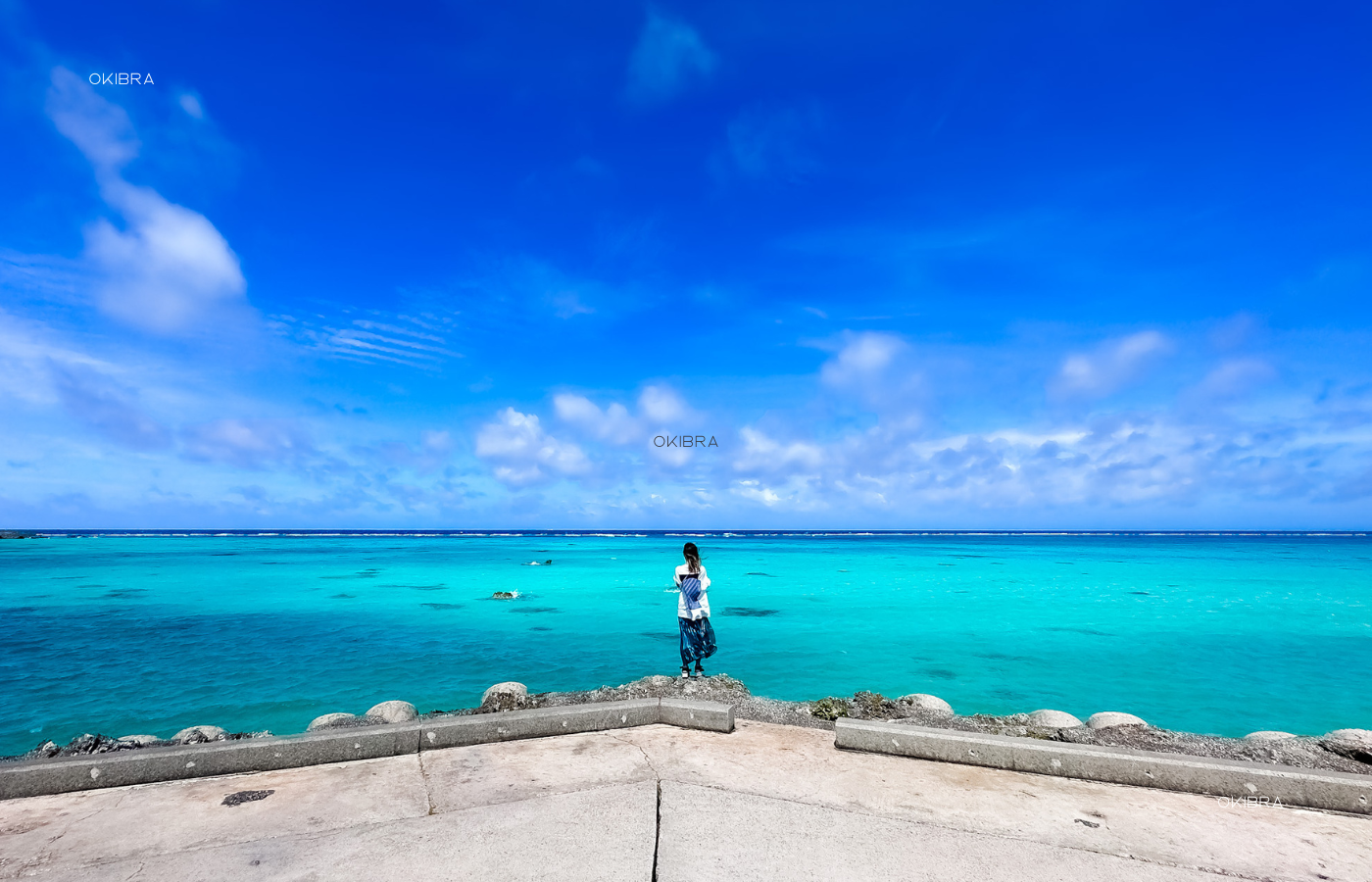
ということで、宮古島で晴れの日の旅行を望むならば、一番確率が高いのは7月です!ピンポイントで7月にいけない方は、5月〜10月に旅行をすれば、晴れる日に当たりやすくなると思います!
宮古島は、沖縄本島より感動する美しい海がたくさんありますから、ぜひ見てほしいです!晴れてくれるだけで、海は青いし、気分はいいし、満足できると思います。これらを参考に沖縄旅行計画を組んでみてください!