






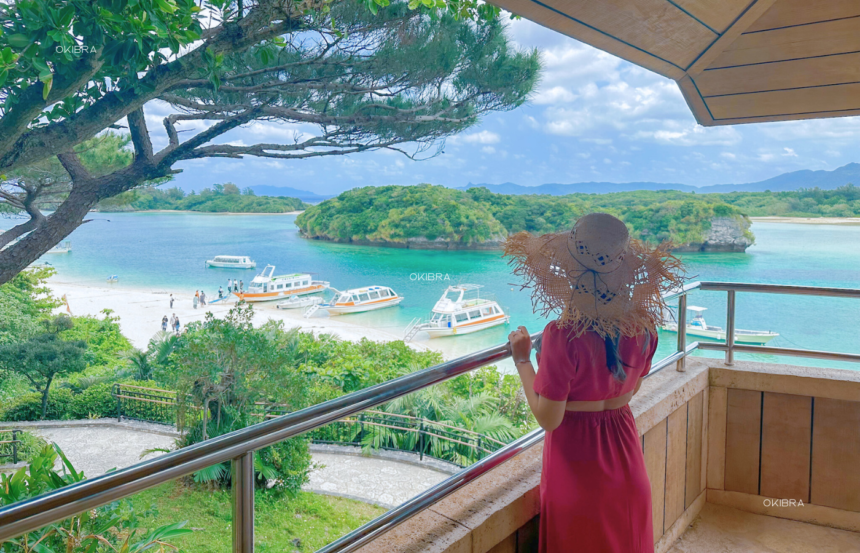
If you're planning a trip to Ishigaki Island, the best time to go is July or later. Specifically, once the rainy season ends (typically from late May to late June), the weather stabilizes, the water becomes crystal clear, and this is the perfect time to fully enjoy the island's tropical resort charm.
Ishigaki Island's Sunshine Rate Rankings Based on Weather Occurrence Rates
I’ve received the question, “What’s the best month to visit Ishigaki Island?” several times via Instagram DMs.
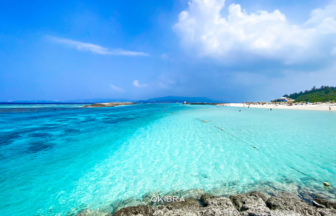
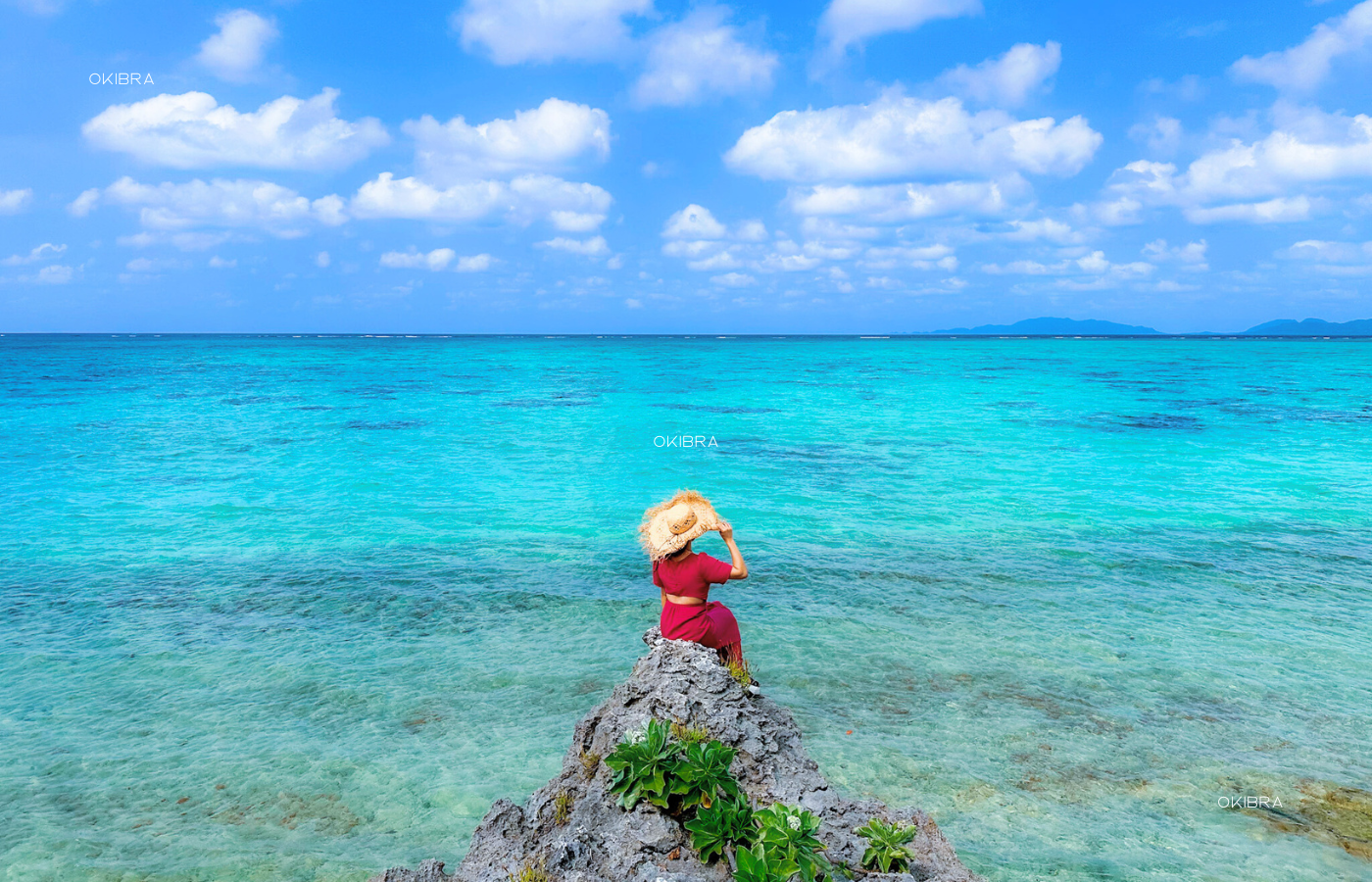
What many people find convincing is that we suggest months with a high probability of sunny weather based on weather occurrence rates.The number one thing to look forward to on a trip to Okinawa is ”seeing the beautiful blue ocean.”. When we previously conducted a survey on Okibura’s Instagram asking our followers, “Why do you go to Okinawa?” about 90% of the responses were “To see the beautiful ocean” (out of more than 300 responses).
Japan Meteorological Agency “Weather Occurrence Rates”
We always refer to the “weather occurrence rates” published by the Japan Meteorological Agency. For Okinawa Prefecture, data observed from 1991 to 2020 at four locations—Naha, Minamidaito Island, Miyako Island, and Ishigaki Island—are available on their website. The data classifies weather conditions for each day as rain, cloudy, or sunny, and quantifies these classifications.
For the purposes of this discussion, we will assume we are referring to Ishigaki City (Yaeyama Islands). Please be aware that the weather on the islands can change quickly and varies from island to island. Please use this information for reference only.
Weather Determination Criteria and Priority Order
| Weather | Evaluation Criteria | Priorities |
| 雨 | When daily precipitation of 1.0 millimeters or more is recorded | 1 |
| Cloudy | When daily precipitation is less than 1.0 millimeters and the average daily cloud cover is 8.5 or higher | 2 |
| Sunny | When daily precipitation is less than 1.0 millimeters and the average daily cloud cover is less than 8.5 | 3 |
Quote:Okinawa Meteorological Observatory: “Weather Occurrence Rates by Region (%)”
How much is 1.0 millimeters of daily precipitation?
It’s drizzling. If you walk outside for a bit without an umbrella, you’ll only get slightly wet. It doesn’t last long; it feels like the very beginning of a rain shower or a brief light drizzle. The ground is slightly wet, and you can see water droplets on leaves and car hoods. Generally speaking, this is the kind of rain that makes you think, “I might want to bring an umbrella just in case.”
What does a daily average cloud cover of 8.5 or higher mean?
When I look up at the sky, it’s almost entirely covered by clouds, and there’s hardly any blue sky in sight. It feels like a light rain could start any moment. With the sun hidden from view, it’s a day with a somewhat dark and heavy atmosphere.
Well then,"Weather Occurrence Rates on Ishigaki Island"Based on this data, we present a ranking of the monthly sunny-day percentages for Ishigaki City from January through December. Please use this as a reference when planning your trip.
Percentage of Sunny Days from January to December (Ishigaki Island)
Here's how it looks. I did the calculations step by step...
Monthly Rankings by Highest Percentage of Sunny Days
Ishigaki City (Yaeyama Islands): Annual Probabilities of Sunny, Cloudy, and Rainy Days
Based on a calculation of all observational data from the Ishigaki Island station (1991–2020), the annual weather occurrence rates are 45.31 TP3T for sunny days and 54.71 TP3T for cloudy and rainy days.
If you're planning a trip to Ishigaki Island, you'll want to go between May and October, when the annual probability of sunny weather exceeds 45.3%!
Ishigaki City (Yaeyama Islands): The Gap Between First and Last Place
In Ishigaki City and the Yaeyama Islands (Ishigaki Island), July—which ranked first—had a sunny-day rate of 58.31 TP3T (3 sunny days out of 5). January, which ranked last, had a sunny-day rate of 30.41 TP3T (1 sunny day out of 3). The difference is as much as 28%, meaning the sunny rate varies by approximately a factor of two. This is the largest gap among Okinawa’s major tourist destinations (Naha, Miyako, and Ishigaki). Since the sunny rates for December, January, and February all fall below 40%, it may be quite difficult to experience nothing but sunny weather throughout your entire trip.
It’s kind of strange that, statistically speaking, Ishigaki and Miyako—which don’t really give off a “sunny” vibe—rank fifth (within the top six) in terms of the probability of sunny days during the rainy season in June… lol
Main Island of Okinawa (Naha) by Swimming Season
The swimming season in Okinawa generally runs from April to October. (Depending on the location, some beaches are open as early as March or as late as November.)
Looking at the beach season, July ranks first (the same as Miyako Island; for Naha, it’s October), and April ranks last (the same as Miyako Island; for Naha, it’s June). The top four months—July through October—seem like the best choices, as the probability of sunny weather exceeds 50%!
Summary

So, if you’re hoping for sunny weather during your trip to Ishigaki Island, July offers the best chances. If you can’t make it in July specifically, I think you’ll have a better chance of catching a sunny day if you travel between May and October.
Ishigaki Island is a place where you can enjoy nature even more than on Okinawa Main Island or Miyako Island. As long as the weather is clear, the ocean is blue, you’ll feel great, and I’m sure you’ll be satisfied. Please use this information as a reference when planning your trip to Okinawa.