








The weather in Okinawa is unpredictable. It can be sunny even when rain is forecast, and it can rain even when sunny weather is forecast.Weather forecasts for Okinawa are generally not very reliable.I often get questions from my followers like, “I’m going on a trip to Okinawa next week! What’s the weather going to be like on [date]?” But “You’ll have to go and see for yourself.” That’s the most reliable answer. The truth is, the weather in Okinawa is hard to predict, and forecasts are often wrong.
Even professional weather forecasters say it’s harder to predict the weather in Okinawa than on the mainland. Here’s a summary of the reasons why, along with some tips on how to prepare as a traveler.
[toc]5 Reasons Why Okinawa's Weather Forecasts Are Unreliable

We want to answer the weather questions we receive from our followers as accurately as possible. We do our best to research the weather in Okinawa, but the more we look into it, the more we end up thinking, “There’s no way to predict this!” lol
1. Okinawa's Unique Climate
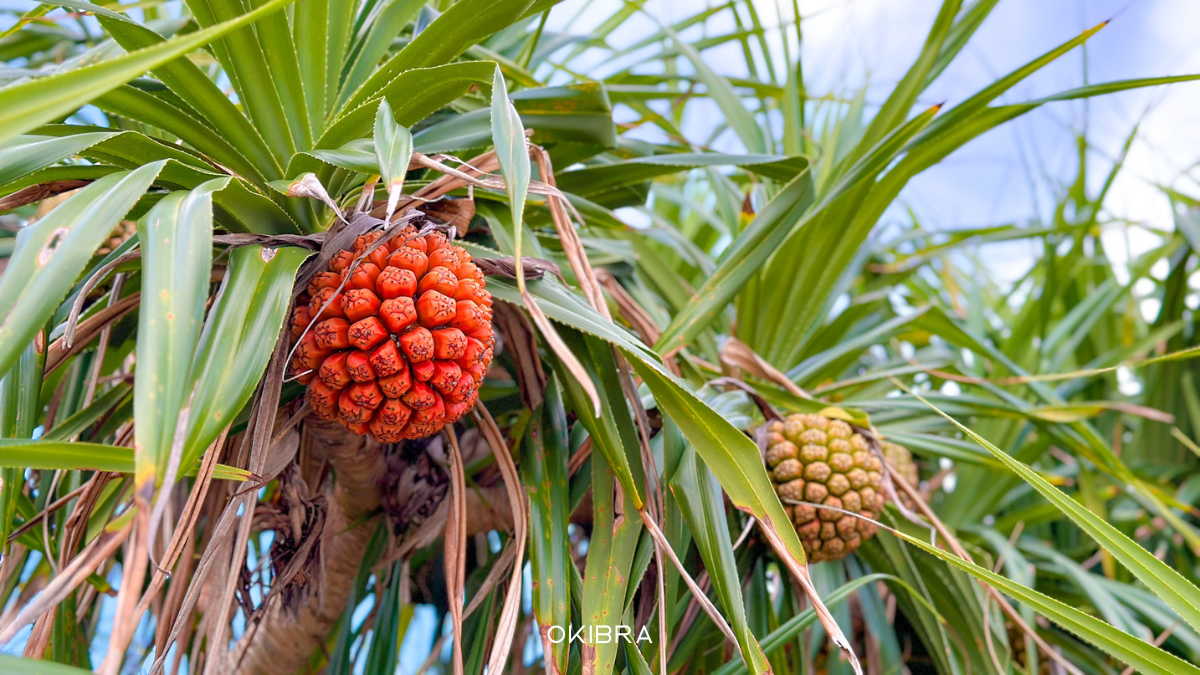
Okinawa has a subtropical climateIt is a region with extreme climate fluctuations. Sudden weather changes occur frequently, and it is not uncommon for the weather to shift within a short period of time. As a result, weather forecasts tend to be less accurate.
2. Okinawa is an island surrounded by the ocean

Okinawa Main Island, Ishigaki Island, Miyako Island, and other islands are all surrounded by the ocean, which makes it easier for water vapor to form. As a result, rain clouds can form suddenly, making it difficult to predict the weather.
3. There are no high mountains in Okinawa
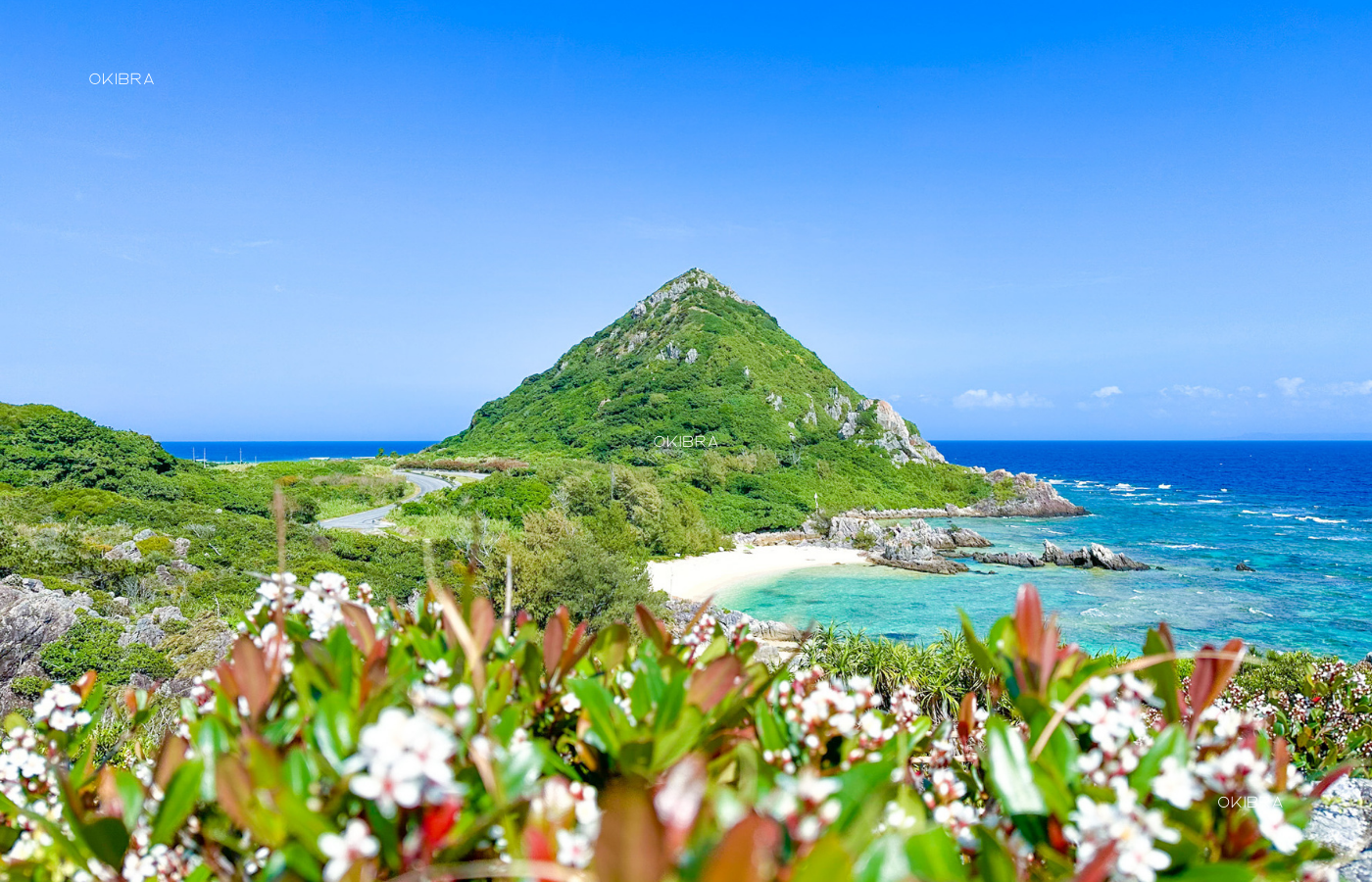
Since there are no high mountains in Okinawa, rain clouds that form over the ocean tend to pass directly over the island. The weather changes rapidly—it might start raining and then stop immediately, only to clear up again—which makes forecasting difficult.
4. Effects of Marine Weather

The weather in Okinawa is strongly influenced by marine conditions. Changes in sea surface temperature and the effects of ocean currents make the weather difficult to predict.
5. Effects of Ambient Atmospheric Conditions

The weather in Okinawa is greatly influenced by atmospheric conditions. For example, when a typhoon forms, it takes several days to reach the mainland, but it reaches Okinawa much sooner. Also, the predicted path of a typhoon in long-range forecasts can change, right? For that reason, long-range weather forecasts aren’t very reliable.
(1) It is Japan’s only subtropical region, and (2) it is an island with a small land area and virtually no high mountains.. This leads to the conclusion that forecasting the weather in Okinawa is difficult and that the forecasts are unreliable.
How to Prepare for Okinawa's Weather

With all of this in mind, I’d like to take this opportunity to remind you how to prepare for Okinawa’s weather.
1. I don't put much stock in long-range weather forecasts

The 10-day and 14-day weather forecasts for Okinawa are really unpredictable. Be careful not to rely on them too much, or your plans might get thrown off.
If the forecast calls for sunny weather day after day, think, “It looks like it’ll be sunny.” If the forecast calls for rain day after day, think, “The weather looks like it’ll be bad.” If the forecast alternates between sunny and rainy days, just think, “I can’t tell.”
2. Don't let your guard down, even with short-term weather forecasts

Don't put complete trust in 48-hour or 3-day weather forecasts either. In Okinawa, the only thing you can trust is the weather you see with your own eyes—on that day, at that time, and in that place.
3. Check the weather forecast by municipality
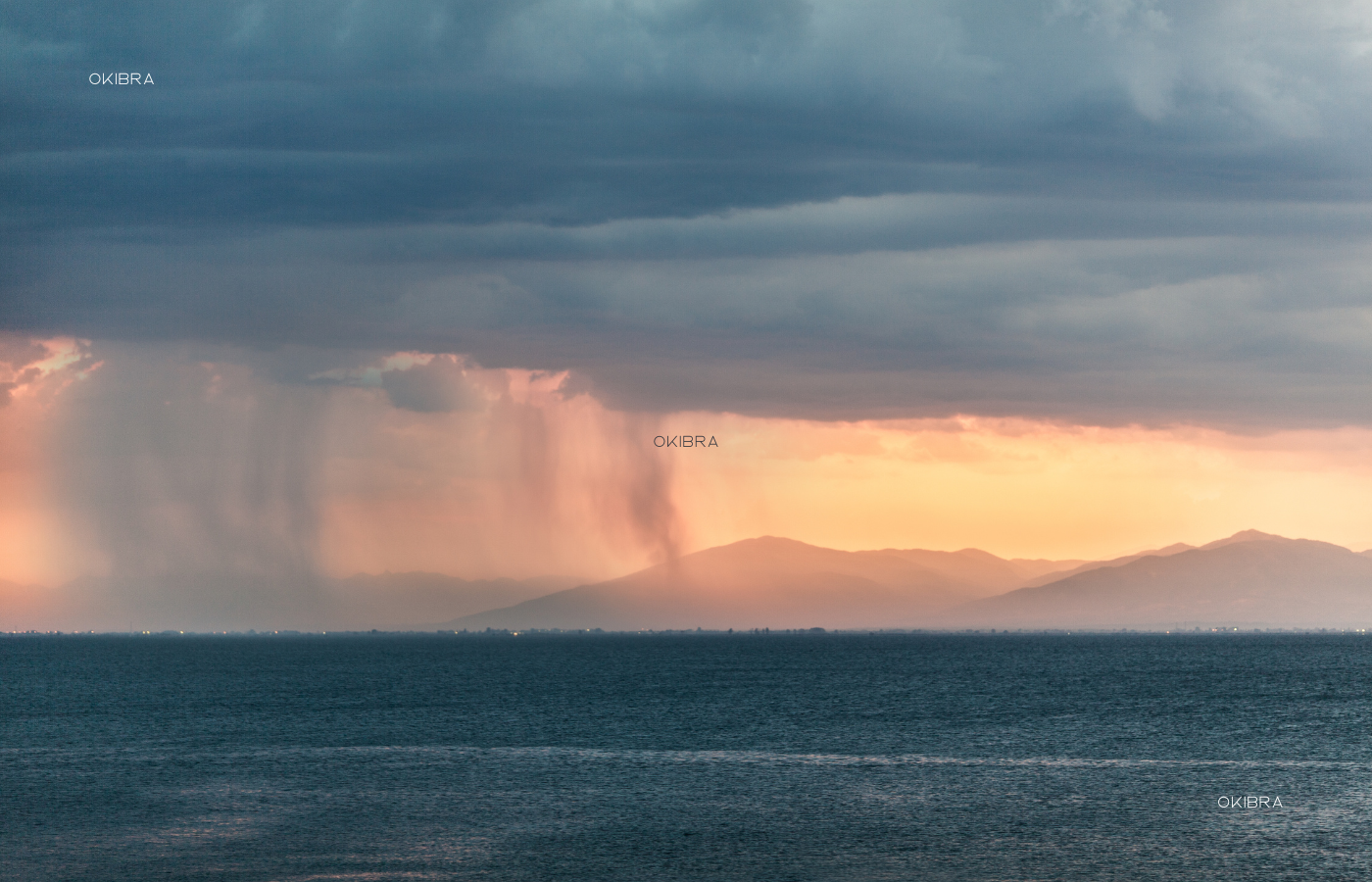
This is actually quite important. Once you’ve decided on your destination, I recommend checking the weather forecast for that specific city or town on the morning of your trip. This will help you get more accurate weather information.
For example, even if it’s sunny in Okinawa City, it might be raining in the nearby town of Chatan. Even within the same municipality, there may be areas where it’s raining and areas where it isn’t.
A common sight in the skies over Okinawa is a passing shower. In the Okinawan dialect, it’s called “katabui.” On overcast days, you often see weather like that in the photo above.
4. Utilizing Rain Cloud Radar

The Okinawa-wide rain cloud radar available on tenki.jp is a fairly useful tool for travelers visiting Okinawa. Especially on days when the weather looks iffy, checking the rain cloud radar before deciding on your plans will help you enjoy a more comfortable trip.
5. Increase the Number of Sunny Days with a Long Stay

It's not exactly a surefire method, but ultimately, the longer you stay in Okinawa, the higher your chances of catching a sunny day.
In Okinawa Prefecture,The ratio of "sunny days" to "cloudy and rainy days" is roughly "1:1."That's right. By staying for a longer period, you can physically increase your chances of encountering sunny weather. For example, if you take a 3-night, 4-day trip to Okinawa, statistically speaking, you have a 93.71% chance of experiencing sunny weather.
Summary
The weather in Okinawa can be unpredictable, but if you plan carefully, you’ll have a much better travel experience. Whether you’re planning a long stay or keeping your plans flexible, be sure to enjoy Okinawa’s beautiful scenery to the fullest.